A little change can add up over time.
This was true with the cans of pennies, nickels, and dimes my dad used to collect, and it is true for people in Faith & Finances classes.
Over the 13 years that Faith & Finances has been offered nationally, I’ve heard many stories of financially-strapped learners who started taking baby steps in the class that added up to real change—slowly but surely. Here are just a few of many examples that come to mind:
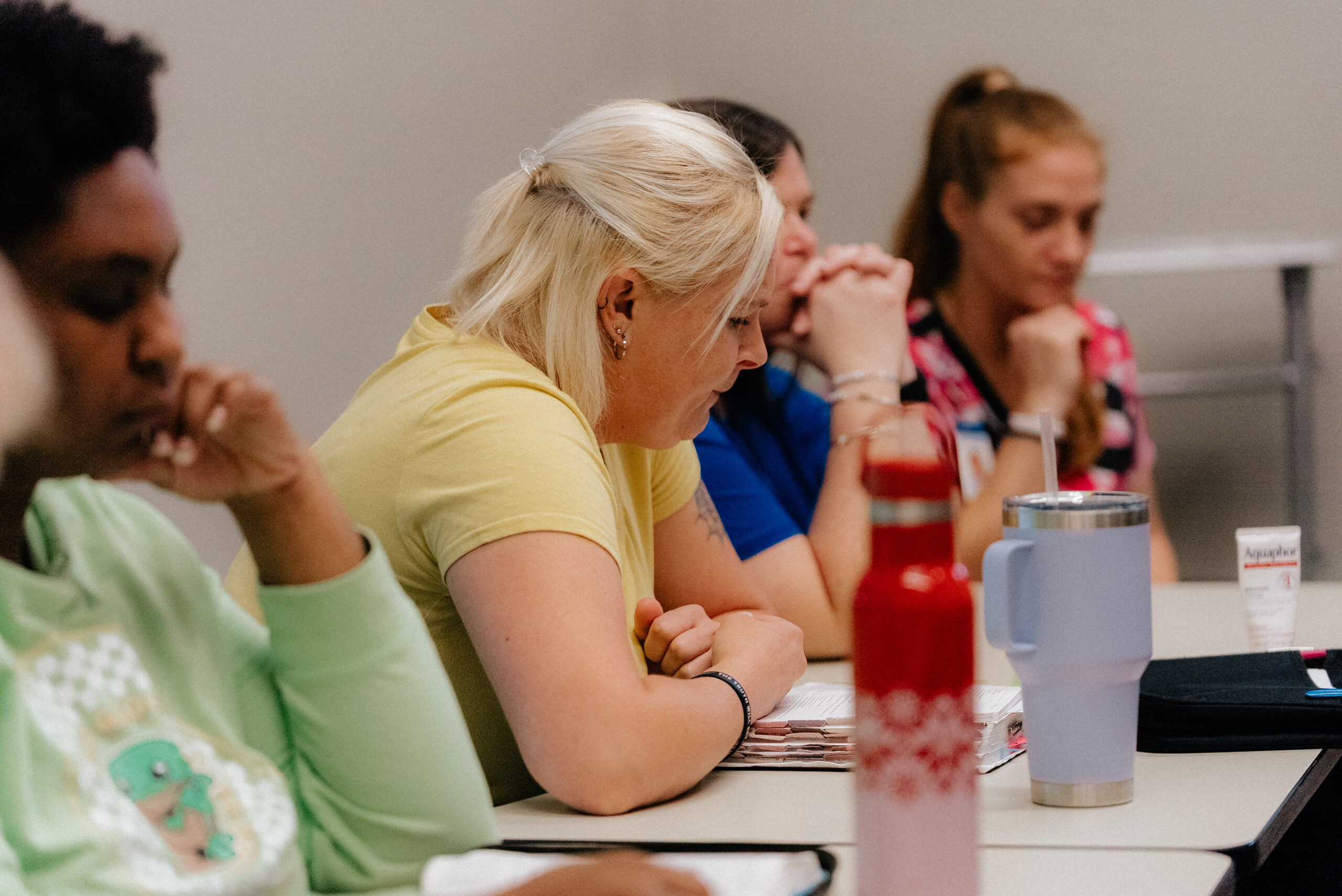
- A participant on a fixed income in Illinois saw that she had been spending more money on fast food than she could afford, having lost her desire to cook due to grief. A user-friendly recipe plan from someone in her class encouraged her to start preparing simple meals again. The lesson on thriftiness helped her realize that she was spending money on a storage space that was not essential, so she cleaned it out and held a garage sale to feed her savings. In all, new behaviors from the class helped her reclaim almost $400 a month.
- A facilitator who had led Faith & Finances classes at a rescue mission in Washington state got a text from a past graduate who has become a friend over the years. The man shared a .gif celebrating that he had quit smoking for good 9 years earlier. He decided to quit when he started tracking his expenses in the class and was shocked to discover how much money he was spending monthly on cigarettes.
- A collective of churches at an Ohio Love INC affiliate works together to supply volunteers, home cooked meals, childcare, and enthusiastic support for participants in their Faith & Finances class. After 3 months of being loved and encouraged like this for the first time, a woman announced at the graduation that she was ready to accept Jesus as Lord for herself.
- A man living in a homeless shelter near a Georgia church got invited into their class that was strategically crossing socioeconomic lines to form long-term relationships with neighbors. He experienced life transformation so powerful from the class that 12 years later, he serves as lay leadership at that church, has significant savings, and has started his own nonprofit ministry serving other people living on the streets.
As much as we may sometimes wish it was possible to wave a magic wand and “fix” what is broken, it is almost never the case that coming out of material poverty happens quickly. Studies show time and again that simply having access to information does not produce transformation.
What makes Faith & Finances effective is when God’s people put intentionality into creating safe, welcoming spaces for vulnerable learners to be introduced to and practice new skills in a supportive community. In all of the above examples, lives were deeply impacted not just because money was being better-managed, but because people in messy life situations were touched by the care of others.
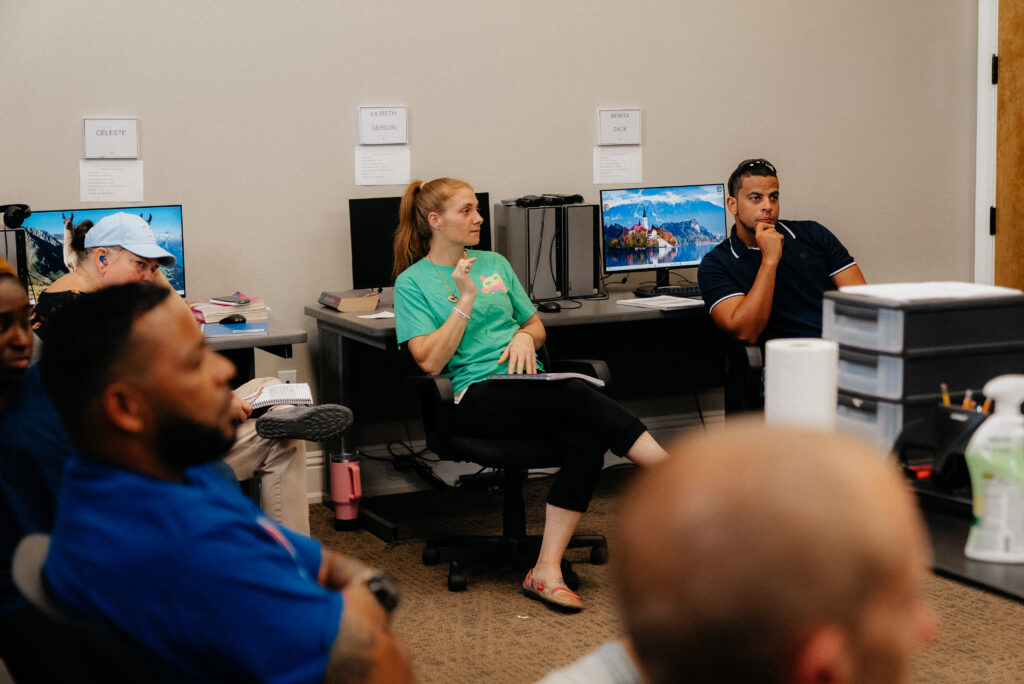
Yes, committing to a class for 12 weeks can sound like a long time to some, but new habits are not solidified quickly. Facing challenges honestly to get to root causes behind your financial situation takes courage. Making changes to entrenched money habits can feel risky, or even scary. Believing that God cares about you enough to restore your finances can seem foreign. But I have had the privilege to witness repeatedly that holistic transformation—emotional, spiritual, and financial—is possible when people are ready to make changes and have allies in their corner to guide, encourage, and pray for them.
Could Faith & Finances be a tool that fits a need in your ministry? Do you have constituents who need these skills but you have not found a biblically-based resource that matches their financial reality? Do you have a desire to form authentic relationships with vulnerable neighbors but aren’t sure how you can accomplish that in a way that feels natural? I have seen Faith & Finances used in these ways and more.
If you think that Faith & Finances could be useful in your work, click here to learn more about how to become a certified facilitator and join the network of practitioners using it around the United States. The next training opportunity begins the week of March 16, 2026, with Early Bird pricing through March 1. Contact us at [email protected] with any questions.
Sign up for our Spring 2026 Cohort Today!
Leave a Reply